Let’s be honest—yards don’t clean themselves. Between dog poop, leaves, random debris, and toys everywhere, it’s easy to get overwhelmed. If you’re getting ready for professional pet waste removal, landscaping, or just a general yard cleanup, a simple checklist can make the whole process way less stressful.
Here’s how I’d handle it, step by step, so your yard is safe, clean, and ready for service.
Step 1: Take a Quick Walk through Your Yard
Before doing anything, walk your yard. Look for:
- Dog waste piles
- Fallen branches or sticks
- Toys, balls, garden tools
- Muddy spots or shady areas that tend to stay wet
This gives you a full picture of what’s going on. Trust me, seeing the yard from the service crew’s perspective helps you plan better.
Step 2: Pick Up Everything That Doesn’t Belong
Clear the obvious obstacles:
- Move furniture, hoses, and tools
- Pick up toys, balls, and pet items
- Secure loose boards, gates, or fences
A yard free of clutter means the service crew can do their job faster—and without accidents. Plus, you won’t come home to a broken sprinkler or bent rake.
Step 3: Keep Pets Safe
Dogs love supervising cleanup, but sometimes their enthusiasm leads to chaos. Keep pets:
- Indoors
- In a fenced-off area
- Or otherwise away from the cleanup space
It keeps them safe and helps the team work efficiently.
Step 4: Pre-Clean Pet Waste If Needed
If your yard has accumulated piles:
- Scoop large piles if you can
- Note any problem areas (muddy spots, heavy traffic areas)
- Highlight spots that need extra attention
Even just picking up the obvious stuff saves time and keeps smells under control.
Step 5: Rake Leaves and Debris
Yards get messy fast with:
- Fallen leaves
- Twigs and branches
- Grass clippings
- Dead plants
Rake it all up and bag it if necessary. This prevents waste from being hidden and ensures every corner is clean.
Step 6: Prep Garden Beds and Borders
Flowerbeds, shrubs, and vegetable gardens need special attention:
- Remove leaves or mulch that trap waste
- Trim overgrown plants
- Mark delicate areas so nothing gets damaged
Your cleanup crew will thank you, and your plants will stay healthy.
Step 7: Check Sprinklers and Irrigation
Sprinklers can get broken or buried under debris. Before cleanup:
- Make them visible or mark them
- Turn off irrigation temporarily
- Avoid stepping on heads or lines
A small prep step prevents a big headache later.
Step 8: Mark Problem Spots
Some areas need extra care:
- Dog runs
- Compost bins
- Muddy or worn-out corners
Mark these zones so the crew can handle them carefully.
Step 9: Gather Your Tools
Have a few things ready if you want to do minor prep:
- Gloves and pooper scooper
- Trash bags or compost bin
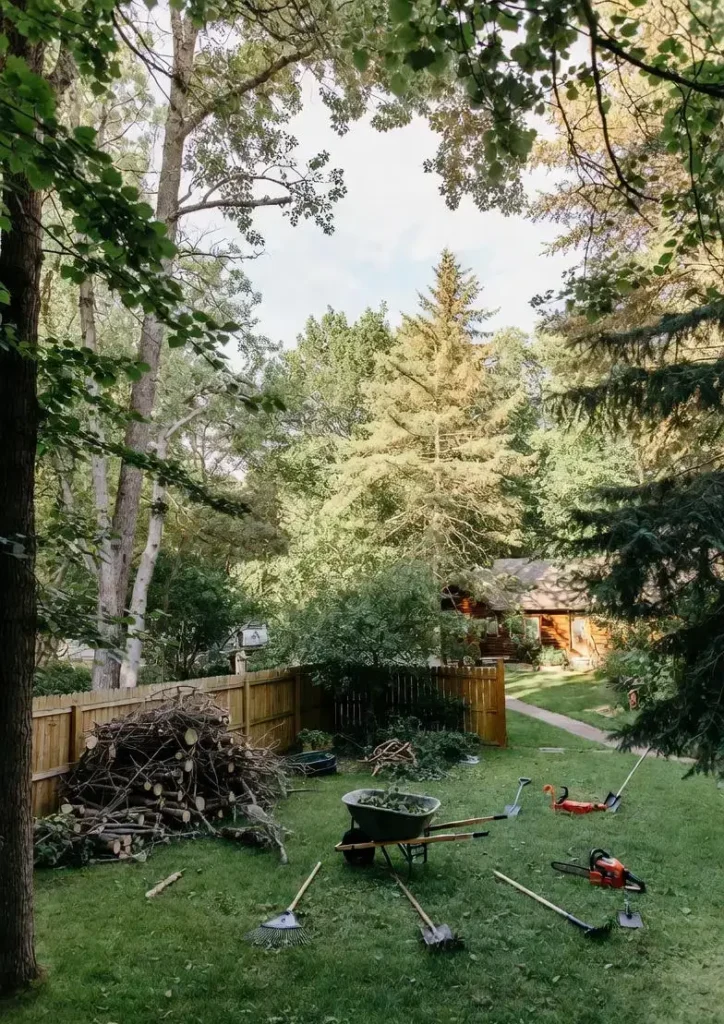
- Rake and broom
- Tarp for collecting debris
- Shears or pruners for trimming
Being ready speeds up the process and makes your yard look tidy in no time.
Step 10: Seasonal Yard Tips
Spring:
- Remove winter debris and dead leaves
- Check for spring blooms and seed new grass if needed
- Aerate soil to reduce compaction
Summer:
- Keep lawn watered and trimmed
- Scoop pet waste weekly to reduce smell and lawn damage
- Monitor for pests or brown patches
Fall:
- Rake leaves and remove fallen branches
- Prepare garden beds for winter
- Schedule a final cleanup before the first frost
Winter:
- Clear snow from dog runs and pathways
- Remove ice hazards
- Plan your first spring cleanup
Seasonal prep keeps your yard looking great year-round and prevents major issues.
Step 11: Routine Maintenance between Services
Even after the cleanup, keeping your yard neat is easy with a little effort:
- Pick up pet waste regularly (weekly or bi-weekly)
- Remove leaves and debris seasonally
- Monitor lawn health and fix problem areas
- Keep garden beds tidy and plants trimmed
A proactive approach prevents buildup and saves money in the long run.
Step 12: Common Mistakes Homeowners Make
- Leaving large piles for the crew to handle
- Not securing pets, causing distractions
- Forgetting garden borders or sprinkler heads
- Ignoring seasonal debris, which makes cleanup slower
- Not planning for ongoing maintenance
Avoid these mistakes, and your yard cleanup will be fast, safe, and effective.
Step 13: The Benefits of Using a Checklist
Following a yard cleanup checklist means:
- Faster, more efficient service
- A safer environment for kids and pets
- Reduced odor and lawn damage
- Less stress and more enjoyment of your outdoor space
It’s a small step with big results.
Ready to Get Your Yard Cleaned Up?
Call us today and we’ll take care of all the dog poop so your yard is clean, safe, and enjoyable.
📞 248-458-4974 Schedule Online