Grubs may be small, but they can cause big problems for your lawn. These larvae, typically from beetles like Japanese beetles and June bugs, feed on grassroots, leaving brown patches, loose turf, and inviting wildlife to dig up your yard.
If you have pets, especially dogs who love to roam and sniff in your yard, you want to identify grub damage without exposing them to harmful chemicals. The good news is that with careful observation and a few simple tests, you can spot grubs early and protect both your lawn and your furry friends.
What Are Grubs?
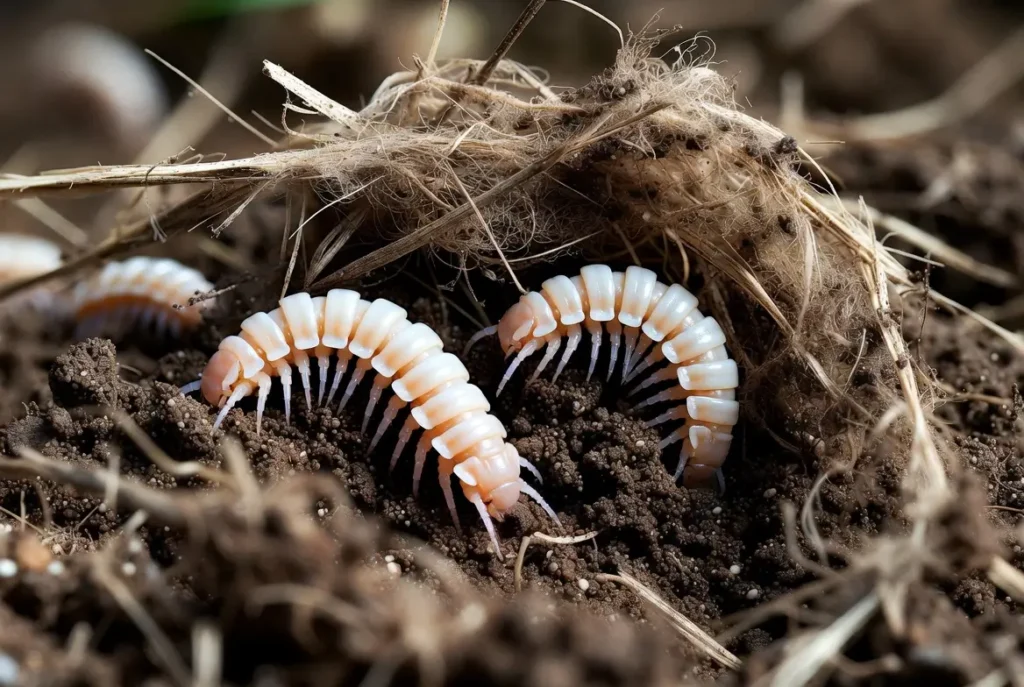
Grubs are the larvae of beetles, usually C-shaped, white or cream-colored, and around 1–2 inches long. While adult beetles mostly feed on leaves, it’s the grubs that do the real damage underground by eating roots.
In Florida, common grub species include:
- Japanese beetle grubs
- European chafer grubs
- May/June beetle grubs
Left unchecked, grubs can cause extensive lawn damage and attract raccoons, skunks, and birds looking for a snack.
Step 1: Look for Brown or Patchy Areas
The earliest sign of grub damage is often discoloration. Your grass may develop irregular brown or yellow patches that don’t bounce back after watering.
How to Check:
- Gently tug on the grass in the discolored areas.
- If the turf lifts easily like a carpet, it could indicate root damage caused by grubs.
Step 2: Check for Loose or Spongy Turf
Grub-infested areas often feel soft underfoot. The larvae feed on roots, making the soil unstable and your lawn spongy.
Simple Test:
- Cut a small square of sod (6×6 inches) in the suspected area.
- Lift it to inspect the soil beneath for C-shaped grubs.
- If you see several grubs per square foot, it’s time to take action.
Step 3: Watch for Wildlife Activity
One indirect sign of grubs is unexpected digging by animals. Raccoons, skunks, and birds love to feed on grubs and will tear up your lawn in the process.
Signs to Look For:
- Random holes in your yard
- Clumps of dirt scattered around
- Repeated activity in the same spot
Seeing wildlife digging repeatedly often means grubs are present.
Step 4: Use a Water Test to Confirm Grubs
You can check for grubs safely using water, no chemicals required:
- Choose a 1-square-foot section of turf in a suspicious area.
- Water it heavily and let it soak for 15–20 minutes.
- Lift the sod to see if grubs have surfaced.
This method is 100% safe for pets and helps you confirm whether the brown patches are caused by grubs or something else.
Step 5: Observe Your Lawn in the Right Season
Timing is key for spotting grubs. In Florida grubs are most active in late summer and early fall. Checking your lawn too early or too late may not reveal the problem.
Tip: Monitor your lawn throughout the season. Early detection makes treatment easier and prevents severe damage.
Pet-Friendly Approaches to Handling Grubs
Once you identify grub damage, you need solutions that protect your pets. Harsh chemical treatments can be toxic, but there are safe alternatives.
Natural Treatments
- Beneficial nematodes: Microscopic worms that attack grubs without harming pets.
- Milky spore: A bacteria that kills grubs over time, safe for dogs and cats.
Pet-Safe Chemical Options
Some insecticides are specifically labeled as pet-friendly. Always follow label instructions and apply when pets are not in the yard.
Pro Tip: For severe infestations or if you’re unsure which product to use, professional lawn care services can safely treat your lawn with pet-friendly solutions.
For a full guide on treatments that are safe for pets, check out one of our resources: Pet Safe Grub Control for Florida Lawns That Actually Works.
Preventing Future Grub Damage
Preventing grubs is easier than repairing a destroyed lawn. Some tips include:
- Maintain a healthy lawn through proper mowing, watering, and fertilization.
- Consider grub-resistant grass types suitable for Florida climates.
- Apply preventive treatments in mid-summer before grub’s hatch.
A well-maintained lawn is naturally more resistant to grub infestations and recovers faster if damage occurs.
Quick Recap: Pet-Friendly Signs of Grubs
- Brown or yellow patches that pull up easily.
- Soft, spongy turf indicating root damage.
- Wildlife digging up your lawn.
- Use water or sod tests to confirm grubs.
- Monitor your lawn in late summer to early fall.
By following these steps, you can spot grub damage early without exposing your pets to harmful chemicals. Acting promptly will save your lawn and keep your pets safe.
Worried About Grubs in Your Lawn?
If your lawn shows signs of grub damage, our pet-safe solutions protect both your yard and your pets. Call now for safe and effective treatment!
Call Now: 855-316-9164Watch For The Brown Patches
Grub infestations don’t have to mean a ruined lawn or risk to your pets. By watching for brown patches, soft turf, wildlife activity, and confirming with water or sod tests, you can take action safely. Use pet-friendly treatments and preventive measures to protect your lawn year-round, keeping both your yard and your furry friends happy.