If you’ve noticed brown patches spreading across your lawn or animals digging up chunks of turf, there’s a good chance grubs are the problem. Many homeowners quickly discover products like Scotts GrubEx1 Season Long Grub Killer, but the next question is usually the same:
How many times can you apply GrubEx, and when should it actually go down?
Using it incorrectly can waste money, damage beneficial insects, or simply fail to stop the grub problem. The good news is that controlling grubs is fairly straightforward once you understand how the product works and when lawn pests are active.
This guide breaks it down in simple terms so you can protect your lawn without over-treating it.
First: What GrubEx Actually Does
GrubEx is a preventative grub control product. That means it works best before grubs grow large enough to damage your lawn.
The active ingredient stops young grubs from developing properly after they hatch. When applied at the correct time, it protects your lawn for an entire season.
But if large grubs are already chewing on your grass roots, GrubEx alone may not solve the issue.
So… How Many Times Can You Apply GrubEx?
For most lawns, GrubEx should only be applied once per year.
The product is designed to provide season-long protection, meaning a single application can last several months when applied correctly.
Applying it multiple times generally won’t improve results and can be unnecessary.
Typical schedule:
- 1 application per year
- Apply late spring to early summer
- Water it into the soil immediately after application
That single treatment is usually enough to stop newly hatching grubs from damaging your lawn.
Why Timing Matters More Than Quantity
The biggest mistake homeowners make is applying grub control too late.
Grubs follow a seasonal lifecycle:
- Adult beetles lay eggs in summer
- Eggs hatch into young grubs
- Young grubs feed on grass roots
- They grow larger through fall
GrubEx works best before or right as eggs hatch, when grubs are very small.
Ideal timing in most northern climates:
Late May – early July
Applying during this window protects the lawn during peak grub development.
What Happens If You Apply It Too Late?
If you apply GrubEx in late summer or fall, the damage may already be happening.
Large grubs are harder to control because they have already:
- Established themselves in the soil
- Begun feeding on roots
- Grown past the stage where preventatives work best
In that situation, you may need a curative treatment instead of a preventative one.
Signs Your Lawn Already Has Grubs
Before applying any treatment, it helps to confirm the problem.
Common signs include:
Brown patches that peel up easily
If turf lifts like loose carpet, the roots may already be eaten away.
Birds or animals digging in the yard
Raccoons, skunks, and birds often tear up lawns looking for grubs.
Spongy or weak grass
Damaged roots make turf feel soft underfoot.
Visible white grubs in the soil
If you dig a small section of lawn and find several C-shaped larvae, you likely have an infestation.
A few grubs are normal. But more than 8–10 per square foot can cause serious damage.
Should You Ever Apply GrubEx Twice?
Technically you could apply it twice, but it usually isn’t necessary.
Situations where a second treatment might happen:
- Extremely heavy beetle populations
- Large properties with recurring infestations
- Areas with previous lawn damage
However, in most residential lawns, a properly timed single application works well.
Applying more often doesn’t necessarily improve protection.
How to Apply GrubEx Correctly
Application technique matters just as much as timing.
Follow these steps for best results.
1. Apply to a dry lawn
Granules spread more evenly when the grass is dry.
2. Use a broadcast spreader
Even coverage ensures the entire lawn is protected.
3. Water immediately
GrubEx must be watered into the soil so the active ingredient reaches the root zone.
About ½ inch of water is usually enough.
4. Avoid heavy rain immediately after
Too much rain right after application can wash product away.
Is GrubEx Safe for Pets?
Many homeowners worry about applying lawn treatments around dogs.
Most modern grub control products are considered pet safe once watered in and dry. However, it’s still smart to keep pets off the lawn until the application area has dried and settled. There is pet safe grub control
If you’re trying to maintain a pet-safe lawn care routine, there are also integrated pest control strategies that reduce chemical exposure while still protecting your grass.
Natural Lawn Practices That Reduce Grubs
Even if you use preventative grub control, a healthy lawn makes infestations less likely.
A few helpful habits include:
Maintain proper mowing height
Longer grass creates stronger roots that tolerate pests better.
Improve soil health
Healthy soil encourages beneficial organisms that naturally control pests.
Water deeply but less frequently
Deep watering strengthens turf roots.
Reduce thatch buildup
Excess thatch creates ideal habitat for grub development.
These steps make your lawn less attractive to beetles laying eggs.
When Professional Lawn Pest Control Makes Sense
Some grub problems go beyond what store-bought treatments can fix.
Professional pest control may be necessary if:
- The lawn is already severely damaged
- Grubs return every year
- Animals repeatedly dig up turf
- Multiple pests are present
An experienced technician can inspect soil conditions, confirm the pest species, and apply targeted treatments that restore the lawn more effectively.
Many homeowners find that a seasonal lawn pest management plan is easier than dealing with repeated infestations.
Once Per Year Is Good For Grubex
If you’re wondering how many times to apply GrubEx, the answer is usually simple:
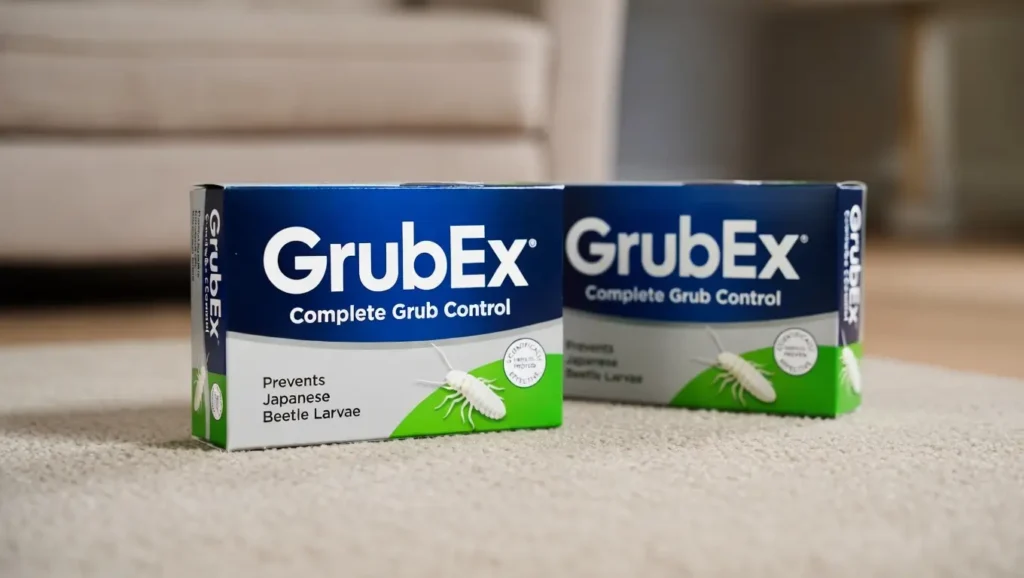
Once per year at the right time is enough.
Key takeaways:
- Apply once annually
- Best timing is late spring to early summer
- Water the product into the soil
- Monitor lawns for early signs of grub activity
When applied properly, preventative grub control can stop lawn damage before it even begins.
And when combined with healthy lawn practices, it keeps turf stronger and more resistant to pests year after year.
Protect Your Lawn From Grubs Before Damage Starts
Grubs can destroy a healthy lawn quickly by feeding on grass roots beneath the soil. If you’re seeing brown patches, animals digging in the yard, or signs of lawn damage, professional pest control can identify the issue and stop it before it spreads.
Our lawn pest control specialists provide safe, effective treatments designed to protect your lawn while keeping your property pet-friendly.
Call 855-316-9164 Today