Protect Your Lawn With Pet Safe Grub Control
Lawn grubs can destroy your grass and attract animals like raccoons and skunks that tear up your yard looking for food. The right treatment can eliminate grubs while keeping your pets safe.
Call 855-316-9164 TodayWhy Grubs Are a Problem for Lawns and Pet Owners
If your lawn suddenly starts developing brown patches or sections of grass that pull up easily, there’s a good chance you’re dealing with lawn grubs. These small white larvae live in the soil and feed on the root systems of grass. As they eat the roots, the grass begins to weaken and die.
For many homeowners, grub damage is frustrating enough on its own. But if you have dogs, another concern quickly arises: how to treat the problem safely without exposing pets to harmful chemicals.
Many traditional grub control products rely on strong pesticides. While effective against insects, these treatments may leave residue on grass that pets can come into contact with.
That’s why more homeowners are looking for pet safe grub control solutions that can eliminate pests while still protecting the health of their animals.
Signs Your Lawn Has a Grub Infestation
Before applying any treatment, it’s important to confirm that grubs are actually causing the damage. Several signs commonly point to a grub problem.
One of the most obvious indicators is large brown patches of grass that seem to spread quickly across the yard. Because grubs feed on roots, the grass loses its ability to absorb nutrients and moisture.
Another sign is grass that lifts up easily. If you can roll back patches of turf like a carpet, the root system has likely been eaten away.
Wildlife activity can also reveal a grub infestation. Animals such as raccoons, skunks, and birds love to eat grubs. If they sense larvae in your yard, they may dig up sections of grass while searching for them.
You may also notice small white larvae in the soil if you dig a few inches beneath the surface. If you find several grubs in a small area, treatment is usually recommended.
Why Pet Safe Grub Control Matters
Many people assume that if a pesticide is sold for lawn use, it must automatically be safe for pets. In reality, some chemical treatments can pose risks if pets are exposed before the product has fully dried or broken down.
Dogs often roll in the grass, sniff the soil, or lick their paws after being outside. That means they can easily come into contact with residues left behind by lawn treatments.
Pet safe grub control focuses on reducing these risks by using methods that target pests while minimizing exposure to animals.
Safer treatments may include biological controls, natural products, or carefully applied solutions designed to break down quickly in the environment.
The goal is to control the pest problem without creating a new health concern for your pets.
Best Pet Safe Grub Control Options
There are several approaches that can help eliminate grubs while keeping lawns safer for pets.
Beneficial Nematodes
Beneficial nematodes are microscopic organisms that live in soil. Once applied to your lawn, they search for insect larvae like grubs and release bacteria that kill them.
This method is popular because it is:
- Natural
- Non-toxic to pets
- Effective against several soil pests
Nematodes work best when applied during warm soil conditions and when the lawn is kept slightly moist afterward.
Milky Spore Treatment
Milky spore is a naturally occurring bacterium that specifically targets Japanese beetle grubs. When grubs consume the spores, the bacteria multiply inside them and eventually kill the larvae.
One advantage of milky spore is that it can remain active in soil for years, providing long-term protection against certain grub species.
Because it targets specific pests, it does not harm pets, birds, or beneficial insects when applied properly.
Biological Lawn Treatments
Some modern lawn pest control products use biological ingredients to control pests. These treatments often contain bacteria that disrupt the digestive systems of insect larvae.
Biological pest control products can be effective when applied during the early stages of grub development.
Because these treatments focus on insect-specific biological processes, they are generally considered safer alternatives to many traditional pesticides.
Preventative Lawn Care
Preventing grub infestations can often be easier than eliminating them once they are fully established.
Healthy lawns are more resilient against pests. Maintaining strong grass growth helps reduce the likelihood that beetles will lay eggs in your yard.
Preventative steps include:
- Proper watering
- Regular mowing
- Aerating compacted soil
- Avoiding excessive fertilizer use
Keeping grass healthy encourages deeper roots, making it harder for grubs to cause severe damage.
When Is the Best Time to Treat Grubs?
Timing plays a huge role in successful grub control.
Grubs are easiest to control when they are young and still close to the soil surface. Once they grow larger, they become more resistant to treatment. You might want to look at applying GrubEx to your lawn.
In many regions, the most effective treatment times occur during:
- Late spring
- Early summer
- Late summer before grubs mature
Applying treatments during these periods can stop infestations before they destroy large sections of your lawn.
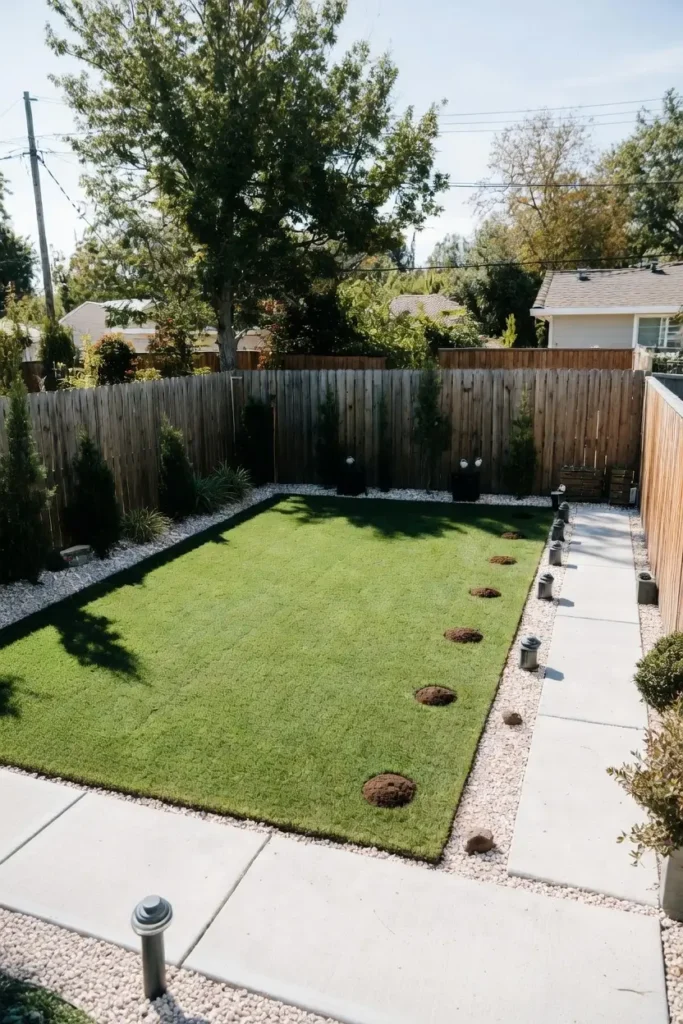
Why Wildlife Activity Often Means Grubs
If you’re seeing raccoons, skunks, or birds digging in your lawn at night, it’s often a sign that grubs are present.
These animals have strong senses of smell and can detect larvae beneath the soil. Once they discover a food source, they may return repeatedly and tear up sections of turf.
Controlling the grub population not only protects your lawn but also removes the food source that attracts nuisance wildlife.
DIY vs Professional Grub Control
Some homeowners attempt to solve grub problems with store-bought treatments. While this can work in mild cases, it doesn’t always solve the underlying issue.
Professional lawn pest control services can identify the exact pest species and apply treatments at the proper time in the insect life cycle.
They also understand how to apply treatments safely, reducing the risk of exposure to pets while still achieving effective control.
Professional treatment may include targeted applications, monitoring for recurring infestations, and preventative maintenance strategies.
Protecting Your Lawn and Your Pets
Pet safe grub control is about finding the balance between effective pest management and protecting the animals that share your yard.
With the right approach, it’s possible to eliminate grubs, restore lawn health, and prevent future infestations without exposing pets to unnecessary risks.
By identifying the problem early and using safer treatment methods, homeowners can protect both their lawns and their pets.
If you’re noticing signs of grub damage or wildlife digging in your yard, addressing the issue quickly can prevent costly lawn repairs later.
Stop Lawn Grubs Before They Destroy Your Yard
If you’re seeing brown patches, wildlife digging in your lawn, or grass that pulls up easily, you may have a grub infestation. Our pet safe grub control treatments protect your lawn without putting your pets at risk.
Call 855-316-9164 Today