Voles are small, subterranean rodents that can cause significant damage to lawns, gardens, and landscaping if left unchecked. Unlike moles or mice, voles create shallow surface tunnels and feed on plant roots, bulbs, and young plants, often leaving visible signs of activity in otherwise healthy yards.
What You First Notice
Many homeowners first notice patches of damaged grass, chewed plants, or small burrows and are unsure how to address the problem effectively. Early identification and targeted removal are crucial to preventing widespread damage and protecting your landscaping investment.
In this guide, we’ll cover how to recognize vole activity, the limitations of common DIY approaches, and why professional vole removal is often the fastest and most reliable solution. We’ll also provide tips for preventing voles from returning and a simple question at the end to help you engage with others who have dealt with similar issues.
Over the past few months, I started noticing small tunnels in the grass, chewed plants, and tiny holes popping up near my garden beds. At first, I thought it might be squirrels or rabbits, but the problem kept getting worse. After some research, I realized the likely culprit: voles in the yard.
If you’ve ever wondered how to tell if you have voles and what to do about them, you’re not alone. These small rodents can multiply quickly and cause significant damage to lawns, flower beds, and landscaping.
How to Spot Vole Damage in Your Lawn
Before taking action, it’s important to confirm that voles are the problem. Here’s what I noticed:
- Shallow tunnels or runways in the grass: Unlike moles, vole tunnels are usually near the surface and leave narrow, visible paths in the lawn.
- Chewed plants and roots: Voles feed on roots, bulbs, and young plants, which can cause flowers or vegetables to wilt unexpectedly.
- Small burrow openings: Look for tiny, round holes, often hidden under mulch or thicker grass.
- Pellets near tunnels: Small, pellet-like droppings along paths are another sign of vole activity.
When several of these signs appear together, it’s a strong indication that voles are actively living under your yard.
Why Voles Can Become a Serious Problem
Voles reproduce quickly. A single vole can produce multiple litters in one season, meaning a small problem can turn into a full-blown infestation if not addressed promptly.
The more voles there are:
- The more tunnels they create
- The more roots, bulbs, and plants they eat
- The higher the risk of permanent damage to landscaping and lawns
Homeowners often notice patchy grass, damaged gardens, and chewed plants only after the population has grown significantly. That’s why early action is key.
Common DIY Solutions and Their Limitations
Many homeowners try to address vole problems themselves before calling professionals. Some common methods include:
- Snap traps placed along vole runways
- Castor oil or predator urine repellents
- Removing thick ground cover, tall grass, or mulch
These steps can reduce vole activity temporarily, especially if caught early. However, voles often return or move tunnels elsewhere, and DIY approaches rarely eliminate the population completely.
Professional Vole Removal: The Fastest Solution For Voles In Your Yard
For lasting results, professional vole control services are usually the most effective option. Experts can:
- Identify active tunnels and nesting areas
- Apply targeted removal techniques safely
- Protect plants, lawns, and garden beds
- Prevent voles from returning in the future
If your yard is already showing multiple tunnels, chewed plants, or small holes, waiting too long can lead to more costly damage.
Preventing Voles From Returning
Once the population is under control, you can reduce the risk of future infestations:
- Keep lawns trimmed and maintained
- Remove excess mulch, leaf piles, and debris
- Protect garden beds with wire mesh or raised beds
- Encourage natural predators like owls or hawks (if safe for your property)
Even with prevention, monitoring your yard regularly is essential to catch problems early.
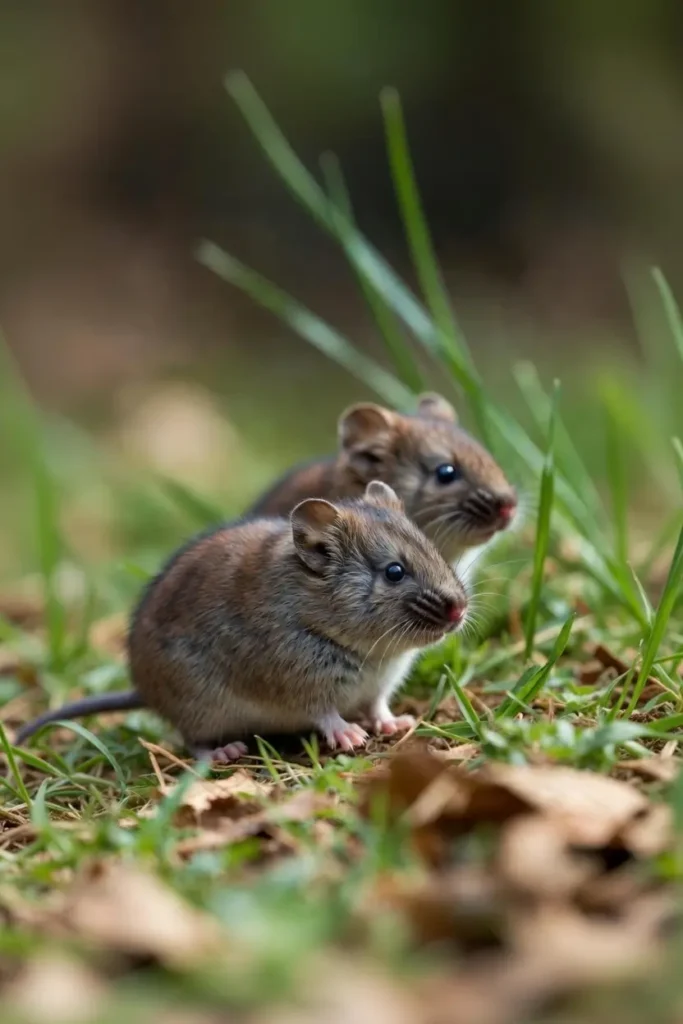
Take Action Before the Damage Gets Worse
Voles may be small, but they can cause serious damage to yards and gardens if left unchecked. Acting early is the best way to protect your lawn, plants, and landscaping investment.
1. Common Mistakes Homeowners Make With Voles
Even well-meaning DIY attempts can sometimes make vole problems worse. Some of the most common mistakes include:
- Ignoring early signs: Small tunnels or chewed plants are often overlooked until damage spreads.
- Over-relying on repellents: Castor oil or predator urine products may deter voles temporarily but rarely eliminate them.
- Removing natural predators: Birds of prey like owls or hawks naturally help control vole populations, so discouraging them can backfire.
Being aware of these mistakes can save both your plants and your time.
2. Quick Tips to Protect Your Yard Today
These are actionable steps you can start immediately to reduce vole activity:
- Inspect your lawn for tunnels, burrows, or chewed plants at least once a week.
- Keep grass trimmed and maintained to reduce hiding spots.
- Remove excess mulch, leaf piles, and debris where voles can nest.
- Place traps along visible runways if you are attempting DIY control, but monitor them carefully.
- Consider professional vole removal for lasting results if the population is large.
3. FAQ: Voles in Your Yard
Q: How do I know if I have voles or moles?
A: Voles create shallow, visible runways on the surface and chew plants at the base, while moles dig deep tunnels and rarely eat plants.
Q: Can I get rid of voles naturally?
A: Some homeowners try traps or repellents, but natural methods usually only reduce activity temporarily. Professional removal ensures the population is fully controlled.
Q: How long does professional vole removal take?
A: Most infestations can be identified and treated in a single visit, with follow-ups as needed to prevent recurrence.
If tunnels, lawn damage, or chewed plants are becoming a problem, professional vole removal may be the fastest and safest solution.
Call 855-316-9164 today to schedule expert vole removal and protect your yard.
Question for Homeowners: Voles In Your Yard
- Have you ever dealt with voles in your yard before?
- What signs did you notice first, and which solutions actually worked?
- Sharing experiences can help other homeowners take action before the damage spreads.