Need Help with Pet Waste in Your Yard?
Even after successful potty training, cleanup can be a chore. Let the pros handle it so you can focus on enjoying your dog—not stepping in their business.
Call us today at 248-805-1860
for professional pet waste removal services in your area!
Potty training your dog is one of the first and most essential steps in creating a peaceful home and a happy pup. Whether you’re raising a new puppy or adopting an older dog, the goal is the same: teaching them to do their business outdoors, preferably in a specific area like your backyard. If you’re looking to train your dog to poop outside the yard, you’re in the right place.
Let’s break it down into simple, actionable steps. No fluff—just the real strategies that work.
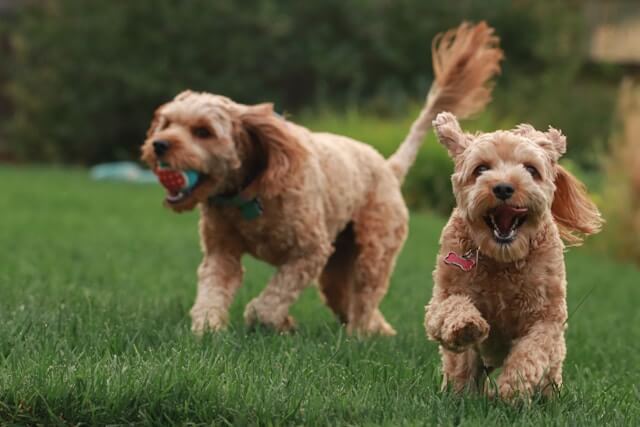
Why Potty Training Is Non-Negotiable
First off, no one wants to live in a house that smells like a kennel. More importantly, dogs thrive with structure and clear expectations. When your dog knows when and where to go potty, it reduces anxiety—for both of you—and prevents long-term behavioral issues. Plus, once the habit is set, it’s one less thing for you to worry about.
Step-by-Step Guide to Train Your Dog to Poop Outside the Yard
- Pick a Dedicated Potty Spot
Dogs are creatures of habit. Choose a spot in your yard where you want your dog to go every time. It should be easily accessible, relatively private, and not near their food or water bowls. Take your dog to that exact spot every single time they need to go. Consistency is key.
Pro Tip: The scent builds up over time and helps reinforce the behavior. Once your dog smells their past bathroom breaks in the same area, they’ll start associating it with “go time.”
- Set a Schedule—and Stick to It
Routine is your best friend when potty training. Dogs need to go:
First thing in the morning
- After meals
- After naps
- After playtime
- Before bedtime
Young puppies might need to go every 1-2 hours, while older dogs can hold it longer. Set timers if needed and be consistent. Feed them at the same time every day to regulate their digestion and potty habits.
- Use a Leash (Yes, Even in the Yard)
During training, keep your dog on a leash—even in your own yard. This gives you control and makes it easier to guide them to the right spot. It also minimizes distractions like squirrels, other dogs, or wind-blown leaves that could break their focus. - Praise Like a Maniac (but Don’t Overdo It)
The second your dog finishes going potty outside—specifically in the spot you chose—praise them like they just won Best in Show.
Use a happy, excited voice
- Offer a small training treat
- Give a belly rub or a favorite toy
Timing matters here. Praise them immediately after they finish, not while they’re still in the act. You want them to clearly associate “pooping outside in this spot” with positive reinforcement.
- Use a Command
Pick a simple cue like “Go potty” or “Do your business.” Say it once when you get to the spot and wait. If they don’t go within 5–10 minutes, go back inside and try again later. Eventually, your dog will associate the command with the action, making future bathroom breaks more efficient. - Supervise Indoors, Crate If Needed
If you’re not watching your dog, you’re not training your dog. When inside, either supervise your pup closely or use crate training. Most dogs won’t go potty where they sleep, making a crate a useful tool.
Important: Don’t use the crate as punishment. It should be a calm, secure place your dog associates with rest, not isolation.
- Clean Up Accidents Properly
Accidents will happen—it’s part of the process. When they do, clean thoroughly with an enzymatic cleaner to eliminate the smell. Regular household cleaners often mask the scent to humans but not to dogs. If your dog smells urine or feces indoors, they’ll think it’s a valid potty spot.
Don’t punish your dog for accidents. Yelling or rubbing their nose in it doesn’t teach them anything except to fear you. Redirect and reinforce the correct behavior instead.
- Reward Outside, Not Back Inside
Many people make the mistake of rewarding their dog once they’re back in the house. But if the treat comes later, the dog may not connect it to pooping outside. Always reward immediately after they finish going outside, right there on the spot. - Watch for Signs They Need to Go
Every dog gives signals when nature calls. Learn to recognize them:
- Circling or sniffing
- Whining or pacing
- Scratching at the door
- Sudden changes in behavior
The more you catch these early signs, the more success you’ll have with redirecting them outside in time.
- Be Patient, but Persistent
Some dogs catch on in a week, others take longer. Be patient. Stay consistent with your routine, rewards, and supervision. If you backslide or get lazy, your dog’s progress will stall. But if you stick with it, your dog will learn to consistently poop outside the yard.
Troubleshooting Common Problems
My dog goes outside but still has accidents indoors.
This usually means they weren’t fully finished or didn’t associate the outdoor trip with bathroom time. Extend your outside time and make sure they actually go. Use the leash, say the command, and give immediate praise when they go.
My dog refuses to go in the yard.
Try changing the potty area slightly. Remove distractions and make the spot more appealing. Walk your dog around on a leash until they find a place they like. Once they start using a specific spot, stick with it.
My puppy pees every time they get excited.
This is known as excitement urination and often resolves with age and confidence. Don’t scold them—just clean it up and ignore the behavior. Reinforce calm greetings and give them time.
Final Thoughts
Training your dog to go outside isn’t magic—it’s habit, timing, and a bit of patience. The goal is to train your dog to poop outside the yard reliably, without stress or confusion. By using consistent cues, a regular schedule, and immediate rewards, you’ll turn a messy problem into a well-established routine.
Remember: your dog wants to make you happy. You just have to show them how.