Look: dumping your dog’s poo in the household trash is lazy, gross, and causes real problems. I’m not here to guilt you; I’m here to spell out what actually happens when you toss those bags into the regular bin — and what you should do instead so your yard, your neighbors, and the environment don’t suffer. Its always a good look to your neighbors to properly have your dog poop picked up and dispose of in a responsible way.
Stop Dealing With Dog Poop the Wrong Way
Call 248-805-1860 for Hassle-Free Cleanup- It pollutes storm water and local waterways
Dog waste isn’t just smelly — it’s biologically active. It contains bacteria, parasites, and excess nutrients that don’t belong in storm drains, streams, or lakes. When rain runs over a trash pile or a bag that tears, it can wash those contaminants into the storm water system. That means algae growth, fish kills, and water that’s unsafe for swimming or fishing. So yeah — tossing poop bags like they’re harmless contributes to real environmental damage. - It attracts pests and creates a sanitation problem
Left in curbside bins — especially in summer heat — bagged dog waste becomes an attractant for raccoons, rats, flies, and stray animals. Animals can tear open bags; flies and maggots love the smell; and once you’ve got rodents rooting around your trash, you’ve got a house-and-yard problem that’s a lot more expensive than a weekly cleanup service. Your neighbors won’t be thrilled either, and neither will your HOA or local sanitation crew. - Bags leak and trash trucks aren’t built for biohazard material
Most people rely on plastic or biodegradable bags and assume the bag solves the problem. It doesn’t. Bags get punctured, degraded by weather, or squashed. When trash trucks compact the load, those punctures turn into seepage. The result: nasty odors, contaminated leachate in the truck, and a mess at the landfill or transfer station. Municipal systems didn’t design residential garbage handling to safely process pet waste as-is — especially when it’s mixed with household waste. - It’s bad for compost and landfill systems
If you toss dog poop into the trash, it either goes to landfill or to facilities not set up to handle animal pathogens. Dog waste shouldn’t be in backyard compost you use on edible gardens — the pathogens don’t always die at home-compost temperatures. And landfills aren’t a “problem solved” black box: they produce methane and leachate; adding bio-waste that contains parasites and bacteria isn’t doing the system any favors. There are proper composting methods for pet waste, but they’re specific and not the same as your kitchen-scraps compost pile. - It fouls your curb appeal and community standards
Beyond the environmental and health issues, let’s be blunt: it stinks. Bags piled up on trash day, leaking or attracting scavengers, look and smell awful. That’s a quality-of-life and property-value issue. If you live in a community with rules, repeated offenders can get fines. Communities notice, neighbors complain, and you end up being “that” house. Don’t be that house.
What to do instead (practical, not preachy)
- Use a sealed, indoor pet-waste bin and tuck it into weekly garbage collection properly sealed.
If you’re going to put waste in the regular trash, keep it sealed inside a dedicated, lidded container indoors until pickup day. Use double-bagging if necessary, and don’t leave the bin outside where animals or elements can get at it. This isn’t perfect, but it’s better than letting bags sit on the curb. - Flush it — only if local rules and your plumbing allow it.
In many places you can flush dog waste (not the bag) down the toilet, which sends it to a wastewater system where it’s treated. But check local regulations and avoid flushing in homes with septic systems or older plumbing that can’t handle extra solids. Don’t flush bags. - Consider a pet-waste composting system — the right one.
There are specialized composters and methods designed for pet waste that reach temperatures high enough to kill pathogens. This is not the same as using the family compost for vegetable scraps. If you want to compost, buy a system designed for animal waste and follow instructions strictly. - Use a dedicated pet waste removal service.
If your goal is convenience and zero hassle, hire someone. Professional pet waste removal services clean yards on a schedule, remove and properly dispose of the waste, and leave your lawn usable again. It’s often cheaper than dealing with neighborhood complaints or pest control later. If you’ve got a multi-dog household or limited mobility, this is a no-brainer. - Use community pet-waste stations or public bins responsibly.
When you’re out on walks, bag the waste and use designated public bins if available. Don’t leave bags on trails or hang them on fences. In apartment complexes and HOA communities, push for dedicated receptacles that are emptied regularly. - Train your household for routine and accountability.
Make cleanup a shared responsibility. If you live with roommates or family, set a schedule so the bag doesn’t sit around for days. Put a small bin by the back door if you need to collect during the day and empty it into a sealed indoor bin for weekly pickup.
Addressing the “but it’s biodegradable” argument
Biodegradable bags sound great, and they’re better than nothing — but “biodegradable” doesn’t mean “safe to leave in the environment” or “safe for municipal systems.” Many require industrial composting to break down fully. In practice, some biodegradable bags still tear and leak before they break down. Bottom line: bag type matters, but behavior matters more. Dispose properly, don’t rely on labeling as an excuse.
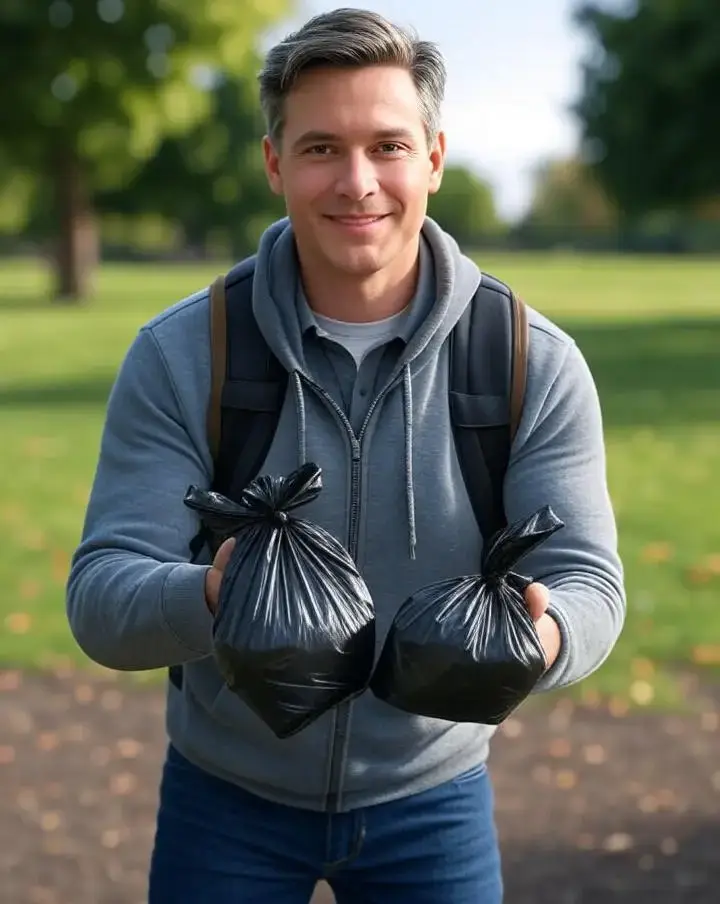
Practical checklist — quick and dirty
• don’t leave bagged waste outside where animals can get it.
• Don’t toss bags into public areas, vegetation, or storm drains.
• If you must use household trash, keep it sealed in a dedicated indoor bin until pickup.
• Don’t compost in your garden unless you’re using a pet-waste specific composter.
• Consider hiring a professional if you want zero hassle. Detroit dog poop pick up services are available.
Final word — be practical, not selfish
Dog ownership comes with responsibilities. Picking up after your pet isn’t a moral lecture — it’s commonsense public hygiene and respect for neighbors and the environment. The single best move you can make is to stop treating this as a shrug-and-toss chore. Either handle disposal properly at home — or pay someone to do it properly. Either way, do it right.
Professional Pet Waste Removal You Can Count On
Keep your yard clean, safe, and odor-free. Our team provides reliable weekly service in Oakland County. Stop worrying about the mess — let us handle it for you.
📞 Call Now: 248-805-1860