Homeownership and property management come with responsibilities—one of the most overlooked being lawn care. While letting your grass grow a little longer might not seem like a big deal, it can actually come with consequences. In many cities and neighborhoods, failing to cut your grass regularly can lead to warnings, citations, and even fines.
If you’ve ever wondered whether you could get fined for not mowing your lawn, the short answer is yes. But the long answer depends on where you live, local ordinances, and even your homeowners association (HOA). Let’s break it all down so you understand the risks—and the simple ways to avoid trouble.
Why Cities Care About Overgrown Lawns
On the surface, long grass might just look messy. But municipalities have real reasons for enforcing lawn height rules:
- Public Health Concerns: Tall grass attracts pests like rodents, mosquitoes, and ticks, which can spread disease.
- Safety Risks: Overgrowth can conceal trash, debris, or even hazards that create liability issues.
- Neighborhood Standards: Cities and HOAs want communities to look well-kept to maintain property values.
When grass grows beyond a certain height—usually between 6 and 12 inches, depending on local code—property owners may be considered in violation of ordinances. That’s when code enforcement steps in.
What Happens If You Don’t Cut Your Grass
The process typically follows a few steps:
- Initial Warning or Notice
A code enforcement officer or HOA representative will leave a written notice at your property. This usually gives you a timeframe (often 7–14 days) to mow the lawn before further action is taken. - Citation and Fine
If you ignore the notice, the city can issue a citation. Fines can range anywhere from $50 to $500 per violation, and in some areas, they increase daily until the issue is resolved. - Forced Mowing by the City
In cases where the homeowner continues to neglect lawn care, the city may send a contractor to mow the grass and then bill the property owner—sometimes adding an administrative fee that doubles or triples the cost. - Liens on the Property
If you don’t pay the fines or the city’s mowing bill, they may place a lien on your home. This can complicate refinancing, selling, or transferring the property.
So yes—something as simple as not cutting your grass can eventually affect your wallet and even your property rights.
How Often Should You Cut Your Grass?
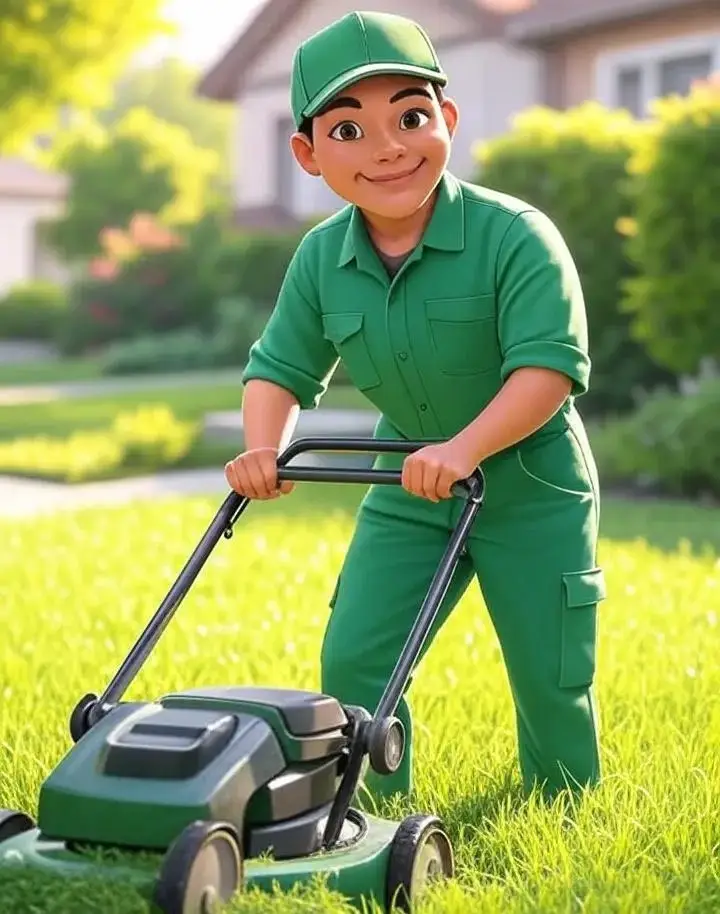
A good rule of thumb is to mow your lawn once a week during peak growing season (spring and summer) and every 10–14 days in cooler months. However, the exact frequency depends on:
- Grass type (fescue, Bermuda, Kentucky bluegrass, etc.)
- Local climate and rainfall
- Fertilization and irrigation practices
The “one-third rule” is widely recommended by lawn care professionals: never cut more than one-third of the blade height at a time. This keeps your lawn healthy, prevents scalping, and ensures compliance with city ordinances.
Do Renters Get Fined or Just Homeowners?
In most cities, property owners are ultimately responsible for lawn maintenance. However, if you’re renting, your lease may specify whether mowing is the tenant’s or landlord’s duty. If it’s unclear, both parties should review the lease agreement to avoid disputes when fines arrive.
HOAs Can Be Stricter Than Cities
If you live in a community with a homeowners association, the rules can be even tighter. HOAs often require lawns to be kept not only below a certain height but also:
- Free from weeds
- Properly edged
- Consistently watered and green
HOA fines can escalate quickly, and some associations even restrict which lawn services you can use. Unlike city fines, HOA penalties are private contractual issues—but ignoring them can still lead to legal trouble or liens.
Pet Waste and Lawn Violations: A Hidden Connection
Here’s something many homeowners don’t realize: pet waste left in the yard can also result in code violations.
Uncollected dog waste isn’t just unsightly—it attracts flies, spreads parasites, and creates strong odors. Some cities issue fines for excessive pet waste buildup, especially in yards where grass is already overgrown. It’s viewed as both a public health risk and a nuisance to neighbors.
That’s why pairing regular mowing with pet waste removal services is the smart move. Together, they keep your property compliant, healthy, and pleasant to live on.
How Much Are Grass Fines, Really?
The cost of ignoring lawn care varies by location, but here’s a rough idea:
- Detroit, MI: $50–$100 per violation, plus the cost of forced mowing.
- Chicago, IL: Up to $600 per violation for weeds and tall grass.
- Houston, TX: $50–$1,000 fines, depending on repeat offenses.
- HOAs: $25–$200 per day until the issue is resolved.
Add in city contractor fees (which can be $200+ per mow), and you’re suddenly paying far more than if you had just kept up with basic maintenance.
Tips to Avoid Grass Fines
Here are practical ways to stay in compliance and keep your lawn looking sharp:
- Set a Mowing Schedule: Treat mowing like any other household chore—schedule it weekly or bi-weekly.
- Hire a Lawn Service: If you don’t have the time or equipment, hire a local lawn care company. The cost is almost always cheaper than fines.
- Automate with Smart Mowers: Robotic lawn mowers can handle routine cutting without supervision.
- Stay on Top of Pet Waste: Use a professional pet waste removal service to keep your yard clean and compliant.
- Check Local Ordinances: Every city has slightly different rules—knowing them prevents unwanted surprises.
The Bigger Picture: It’s About More Than Just Fines
While no one likes the idea of paying unnecessary fines, lawn care is about more than city compliance. A well-kept yard:
- Boosts curb appeal and property value
- Keeps pests away
- Reduces allergens like ragweed and pollen
- Creates a safer space for kids and pets
Neglect, on the other hand, quickly spirals into legal issues, neighbor complaints, and unnecessary costs.
Final Thoughts: Don’t Let Your Lawn Cost You
So, do you get fined if you don’t cut your grass? In most cases, yes—and those fines can stack up faster than people realize. Local governments and HOAs are serious about lawn standards, and ignoring them is an easy way to waste money.
The solution is simple: stay proactive with regular mowing and don’t overlook other compliance issues like pet waste. Taking care of your yard isn’t just about avoiding fines—it’s about protecting your property investment and keeping your neighborhood safe and clean.
If your lawn is out of control and you’re worried about fines, don’t wait until you get a citation. Get professional help today.
Frequently Asked Questions About Grass Fines
Can the city really mow my lawn without permission?
Yes. If you ignore warnings and citations, many cities reserve the right to hire a contractor to mow your property. The cost of this service, plus administrative fees, will be billed to you—and it’s usually far more expensive than routine mowing.
What if I’m on vacation and can’t mow my grass?
Being away doesn’t exempt you from local ordinances. If you’ll be gone for an extended period, schedule a lawn care service to maintain your property while you’re gone to avoid citations and fines.
Do renters have to pay the fines or the landlord?
It depends on the lease agreement. By law, the property owner is responsible, but landlords may pass costs along to tenants if lawn care is written into the lease terms.
How tall can my grass get before it’s a violation?
Most cities set the limit between 6 and 12 inches. Check your local ordinances for the exact measurement, as it varies by region.
Can pet waste also cause lawn violations?
Yes. Excessive dog waste can be considered a public health issue and lead to additional violations. Pairing routine mowing with pet waste removal services keeps your yard fully compliant.
Avoid Lawn Fines—Call the Experts Today
Our team can help you stay compliant, keep your property clean, and save you money on fines. From mowing to pet waste removal, we’ve got you covered.
📞 Call Now: 855-316-9164
Don’t let grass height or pet waste violations cost you your hard-earned money. Stay ahead of city code enforcement and HOAs—take control of your yard today.